
How to use colors in fashion
by Ron Benedict Lim
So how do we use colors in our outfits. one of the guides that we use is the color wheel. So what is a color wheel?
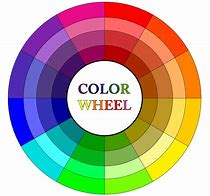
A color wheel is a circular graphic that demonstrates the correlations between different colors. Sir Issac Newton devised the first color wheel in his 1704 book Opticks. Newton developed an asymmetrical color wheel consisting of seven colors: red, orange, yellow, green, blue, indigo, and violet. John Wolfgang von Goethe created a symmetrical color wheel with only six hues (excluding indigo) in 1810, which is similar to the one we use today. Color wheels are used by artists and fashion designers to develop color schemes that give the desired creative impression.
The three main types of color-coding people use are Contemporary, Analogous, and Triadic. Since the footwear we offer are earth or neutral colors, all of these color combinations go well with our product.
Contemporary Colors
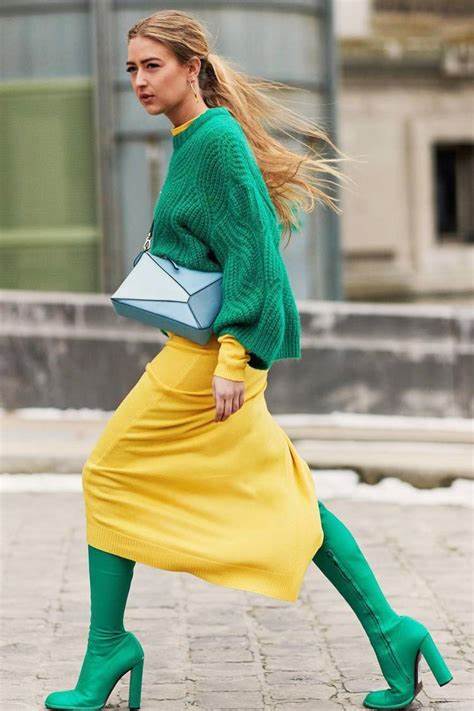
Most of us are aware of the advantages of complimentary colors. These are colors that, as the name implies, complement each other. These are colors that are opposite each other on the color wheel. It’s well known that opposites attract, and these hues are no exception. These combinations are divided into those that enhance each other’s vibrancy: purple and yellow, red and green, and blue and orange colours. They are essentially loving couples that bring out the best in each other. Who knew color coordination could be so charming and relatable?
When you wear these combinations together, your outfit will be at its most vibrant and harmonious. To ease into complementing color ensembles, we recommend starting with lighter colours like pastel purple and yellow. After you’ve grown used to this brighter look, try more extravagant color schemes like burned orange and electric turquoise. The most rewarding aspect of the complimentary color style guide is the ability to experiment with various colors and combinations without losing the impact of their vibrancy.
Analogous Colors
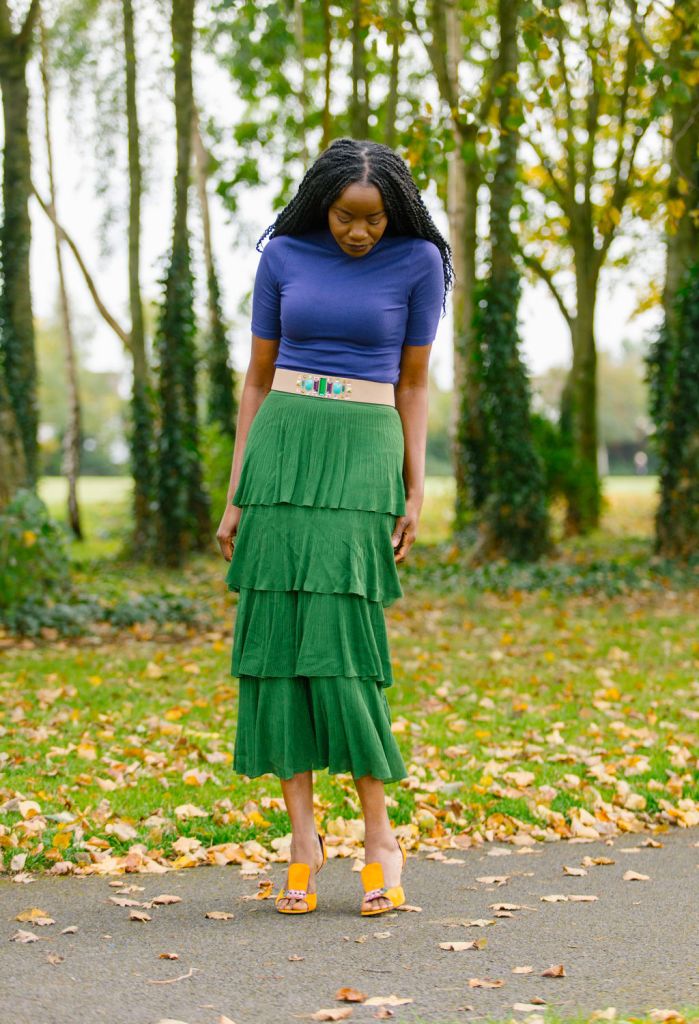
Even easier than mastering the matching of complimentary colors, the pairing of similar color palettes will add depth to your appearance without the trouble of double-checking to ensure your pieces are opposite to each other. Analogous hues are those that are adjacent on the color wheel. They’re buddies, even best friends! They operate in tandem to guarantee that the colors in your clothing are correctly coordinated.
The secret to successful analogous color pairings is to begin with your base color. Consider it the Beyoncé of your outfit, with Kelly Rowland and Michelle Williams as the bordering hues that tie everything together: the Destiny’s Child of multicolored ensembles. If you start with orange as your foundation color, you can simply build around it by putting colors on each side of it on the color wheel, such as yellow and pink. This comparable color style guide can offer your appearance uniformity without becoming dull.
Triadic Colors
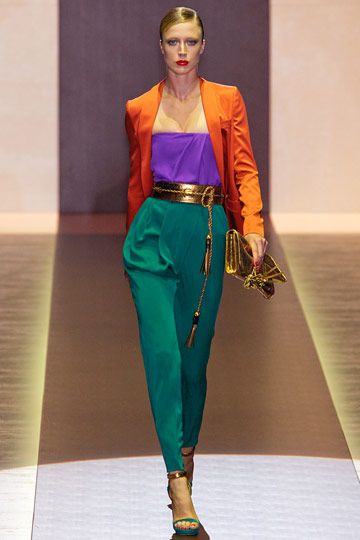
Now that we’ve covered the fundamentals, you’re probably feeling quite confident in your color matching abilities, which means it’s time to progress to the intermediate level. Triadic color schemes are the more sophisticated variant of analogous colors. These are color combinations that are equally spaced on the color wheel. Consider the secondary hues orange, purple, and green, or yellow, blue, and red (primary colors). These combinations may also be used as informal guidelines when creating your appearance and can be altered depending on the shade or color you’re focused on.
Triadic color palettes will offer your outfit a more diversified vibe and allow you to explore without going overboard. The aim is to maintain your color choices evenly spaced apart to avoid mismatching and losing harmony.
 KCJ Fashion